Pool season may slow down in the cooler months, but the pump doesn’t take a break. Even in Las Vegas, where winters tend to be mild, the equipment is still hard at work behind the scenes. That’s why we pay attention to pool pump maintenance beyond just the summer. If the pump doesn’t get regular attention, it can fade out quietly and cause bigger issues when nobody’s expecting them.
You might notice a humming sound that wasn’t there before. Maybe the water levels stay the same, but the flow feels different. These little shifts are clues the pump isn’t working the way it should. Spotting them now, during the slower months of fall and early winter, gives homeowners a chance to get ahead before it really matters. If the goal is a clean, stress-free opening next spring, the path starts with keeping the pump in good shape right now.
How the Pool Pump Keeps Things Moving
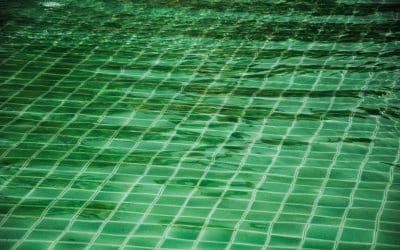
The pool pump acts as the heart of the entire system. Its main job is moving water through the filter and back into the pool. That filtering process helps trap dirt, leaves, and tiny particles that don’t belong in the water. Without a working pump, the water quickly turns cloudy or green.
Most pumps are made of a few core parts. There’s the motor, which powers everything. The housing holds things together and protects internal parts. And the seals help keep water from leaking into places it doesn’t belong. Each piece matters, even when it’s small. If one part wears out or gets clogged, the rest of the system can’t keep up. These parts work best when they’re clean, tight, and free of buildup. It doesn’t take much—just a little sand or dust from the desert air—before things start sticking or slowing down.
When the pump runs well, it carries out a smooth cycle: water from the pool passes through a filter and returns cleaner and clearer than before. It happens over and over, day after day. If that flow gets interrupted, the entire system feels it. That’s why we keep such a close eye on the pump, no matter the season.
What Can Go Wrong Without Regular Attention
One problem with pool pumps is that they don’t always break in obvious ways. It may be a soft buzzing sound that slowly gets louder. Water pressure might seem fine one day and off the next. These are warning signs that something’s wearing down inside.
Leaks are another issue we see. Cracked seals or loose fittings are big red flags. They tell us the pump may have been overworked, or that parts need tightening or replacing. If things are left alone too long, the water can start to turn. In Las Vegas, that change can happen fast, especially with hotter days returning earlier and earlier each spring.
Dust is a quiet troublemaker here in the desert. It settles into the housing or gets pulled in through vents, sticking to parts that should stay clean and cool. When things overheat or slow down, the pump has to work even harder to keep the water moving. That extra strain shortens the life of the equipment and invites more problems over time. It doesn’t take a major storm to sneak dust into the system—just dry wind and time. Regular checks stop small issues from becoming larger ones down the road.
Mojave Pool Company includes a visual inspection of pump seals, filter baskets, and motor vent openings with every scheduled pool pump maintenance service in Las Vegas, targeting the most common local causes of wear before they turn into emergencies.
The Basics of Keeping It in Good Shape
Keeping a pool pump healthy doesn’t mean doing everything at once. It’s about making sure each part has what it needs to work properly. Start with checking the seals. These rubber rings that sit between parts can dry out in the heat or get brittle in cooler nights. If they’re not sealing tight, water can slowly leak out, creating pressure problems or encouraging rust.
Next is the filter basket. This small but mighty piece often catches stray leaves, bugs, and pieces of debris before they reach deeper parts of the system. When the basket’s blocked, the pump has to push harder than it should, putting wear on the motor.
Desert pools run year-round, which means dust never really takes a break. Clearing fine dust from the motor vents helps keep things from overheating. Even if the pump seems quiet and steady, checkups during slower seasons give us a better shot at catching problems before they spread.
Some things are easy to miss. We look for small signs—a faint smell, tiny puddles, short cycling—that might not draw attention right away. A few minutes of maintenance during the off-season is just enough to keep everything running smoother when heat and heavy use return.
A pool pump maintenance plan with Mojave Pool Company may include monthly seal checks, cleaning out baskets, and making adjustments to motor speed for better energy use throughout the changing seasons.
Why Fall and Winter Are Smart Maintenance Windows
Once the weather cools down and pool use slows, fall and winter open a maintenance window that’s easier to manage. With fewer swimmers and less demand on the system, everything gets a break. That downtime is the perfect chance to check in on the pump without rushing through it or working around busy pool days.
Cooler weather also means equipment isn’t constantly battling high temps and long run times. The pump can rest, which makes it easier to find weak points that weren’t clear during peak summer operation. Loose wires, slow-starting motors, or weak priming all show up more clearly when pressure on the system is lower.
This is also the time to plan any part replacements or upgrades. With the pump running less often, there’s more flexibility to swap out old pieces, clean up connections, or reset worn-out components. That way, once winter passes and spring comes early—as it tends to in Las Vegas—the system isn’t scrambling to catch up.
Thinking ahead now leads to fewer surprises later. It’s not about doing everything all at once. A single quiet checkup in November or December often goes a long way toward making sure the pump is ready when higher temperatures return.
A Better Pool Season Starts With a Better Pump
Most pool problems don’t begin in summer. They start in winter, when slower systems go unchecked. The pump may still be working behind the scenes, but without regular attention, it’s easy to miss something small that grows into a bigger problem later.
Caring for the pump during the off-season doesn’t just save time—it keeps the rest of the system safe too. Filters, heaters, and pipes all depend on steady water flow. That flow begins with a pump that’s clean, healthy, and quietly doing its job. Fall is the chance to get ahead without the pressure of daily use pulling things in every direction.
Whether it’s clearing dust from vents, listening for odd motor noises, or checking that seals haven’t cracked in the dry air, each task matters. Catching a problem when it’s small means fewer headaches when swim season picks back up. And stepping into spring with a pool that’s ready to go—that starts months before the water warms up.
Regular care now can make all the difference once your pool starts seeing more action. When water flow feels off or strange noises come from the equipment, it’s probably time for a closer look. Las Vegas weather doesn’t pause pool systems, and maintenance shouldn’t either. We’re here to help with dependable, year-round support starting with proper pool pump maintenance. Mojave Pool Company is ready when you are to get things running right.